
Top OEM Suppliers of Non-Armored Fiber Optic Cable GYFTY Solutions
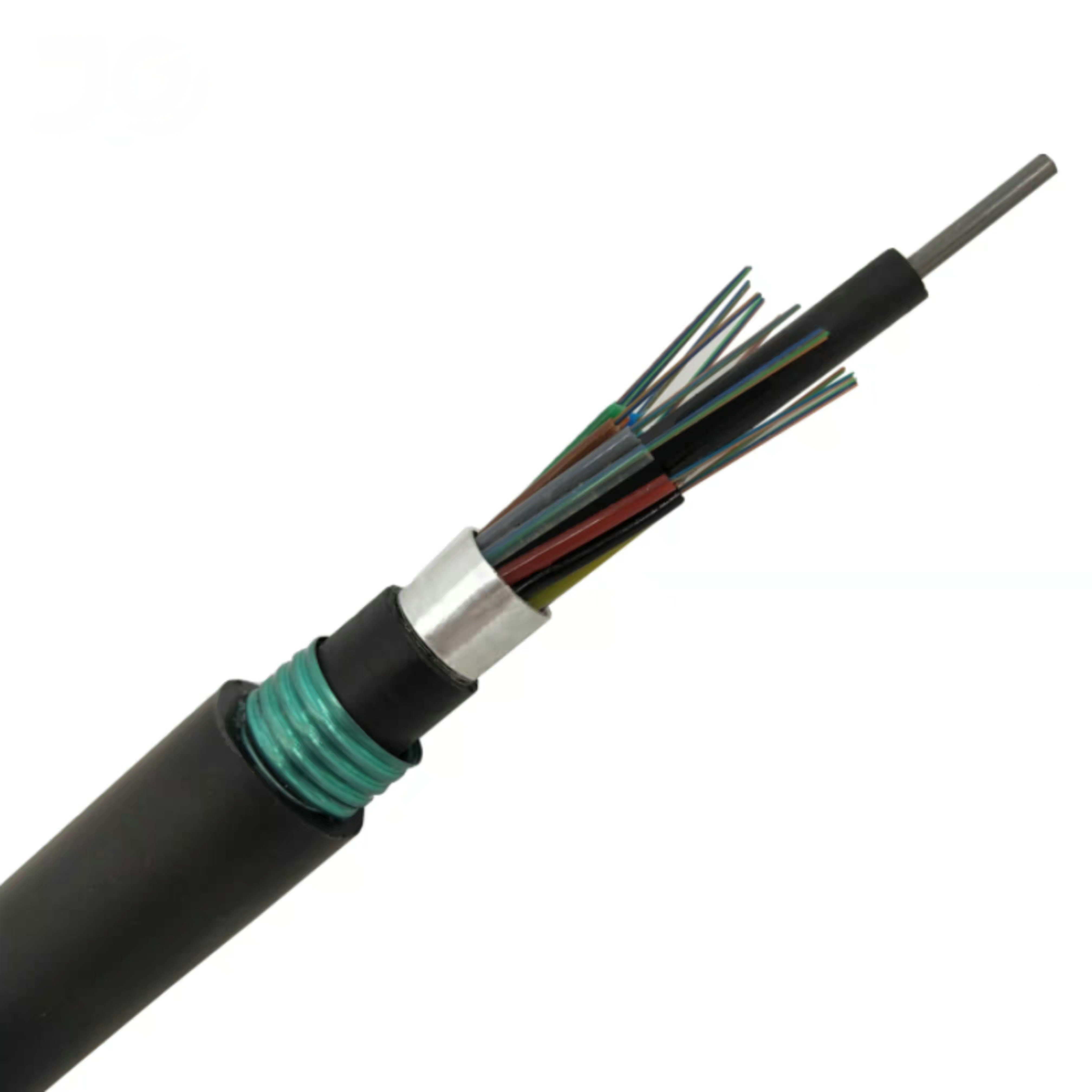
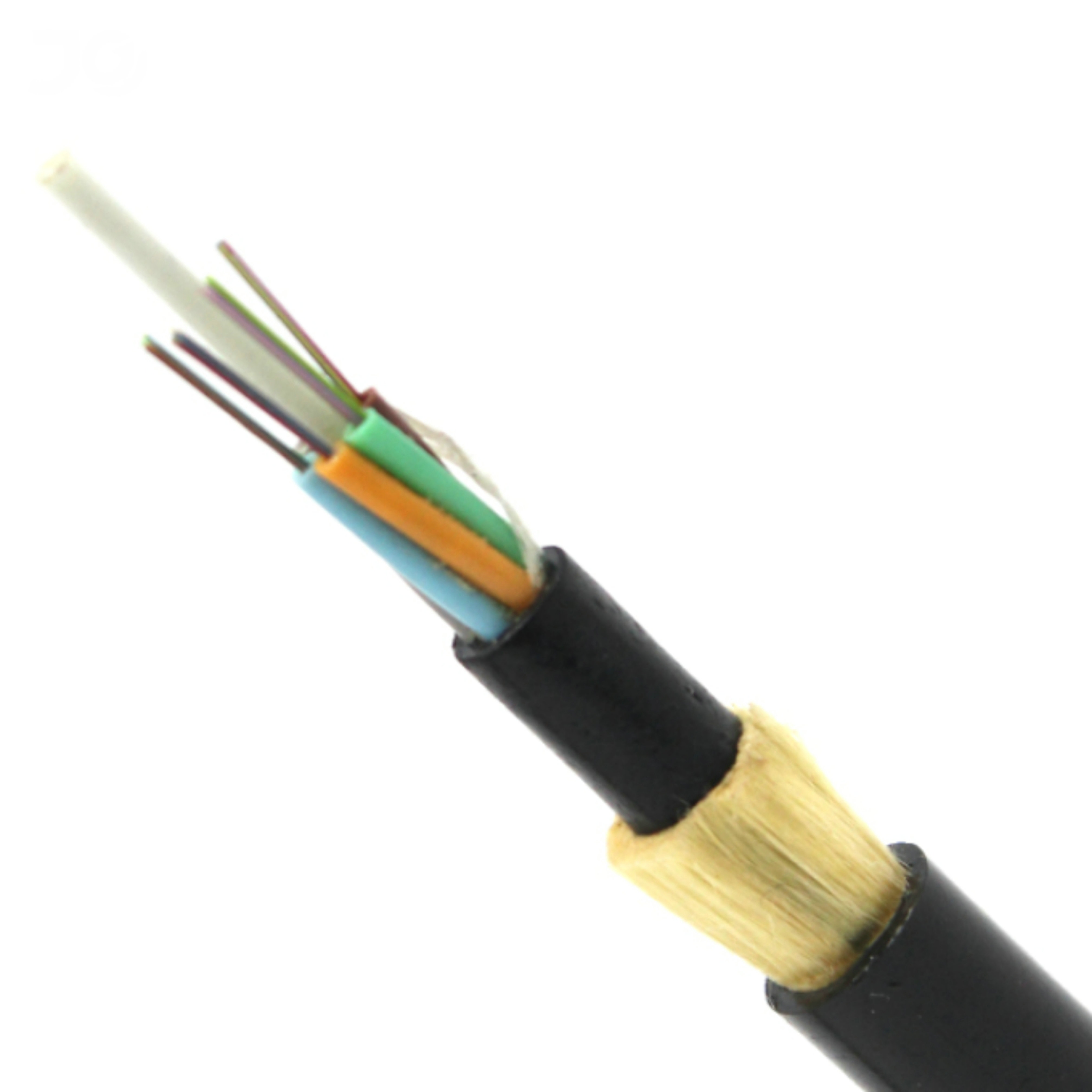
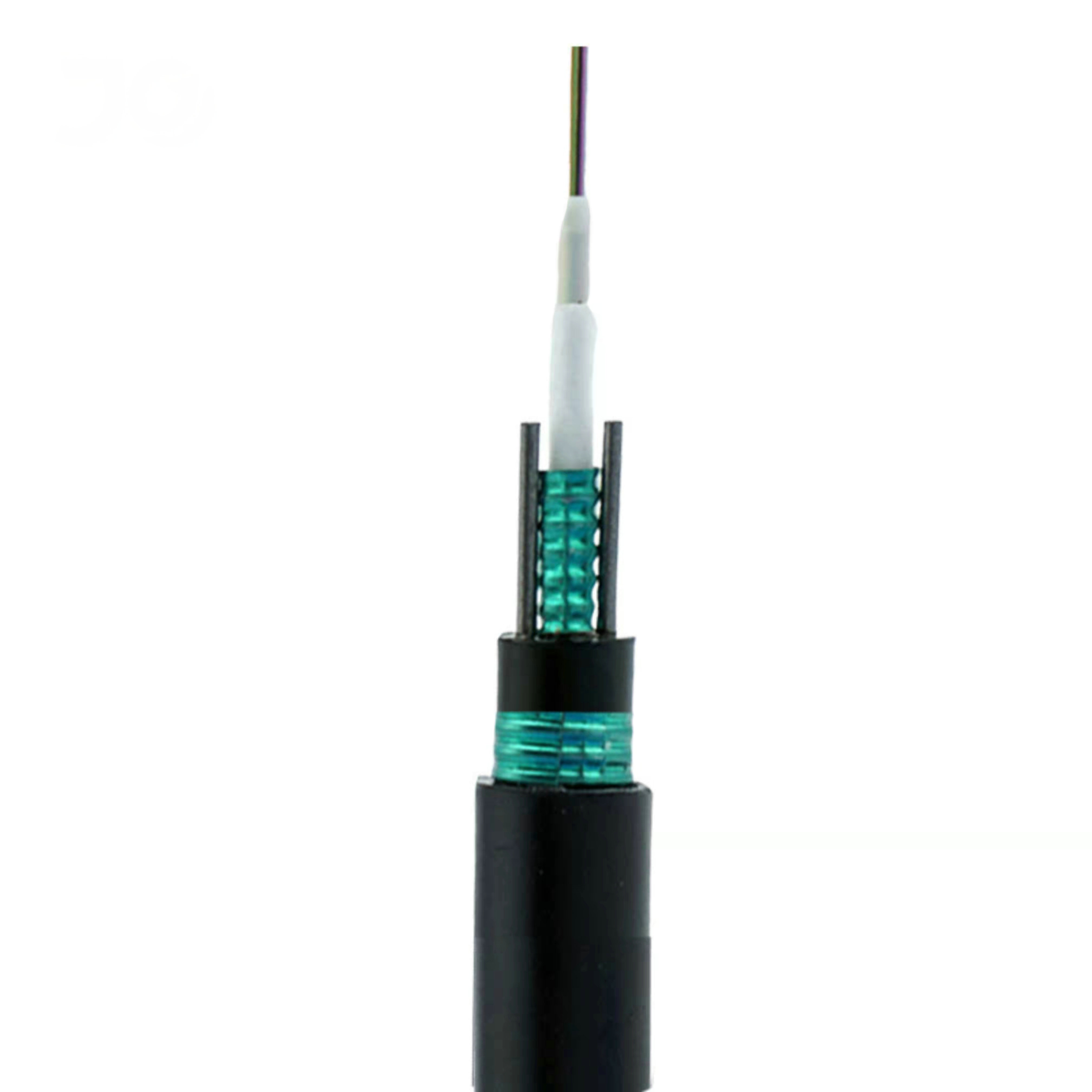
When it comes to reliable connectivity, the Non-Armored Fiber Optic Cable GYFTY is my go-to choice. As an OEM supplier, I understand the importance of durability and performance in fiber optic solutions. This cable, designed for indoor and outdoor applications, offers exceptional flexibility and high-speed data transmission without the added weight of armor. It’s perfect for various installations, whether you’re connecting data centers or setting up telecommunications networks. I find that it meets rigorous industry standards, ensuring safety and longevity. Plus, its lightweight design makes handling and installation a breeze for my team. Working with trusted suppliers, I ensure our customers receive top-quality products tailored to their specific needs. Let’s elevate your communication infrastructure with the Non-Armored Fiber Optic Cable GYFTY, setting your business up for success with reliable connections you can trust.
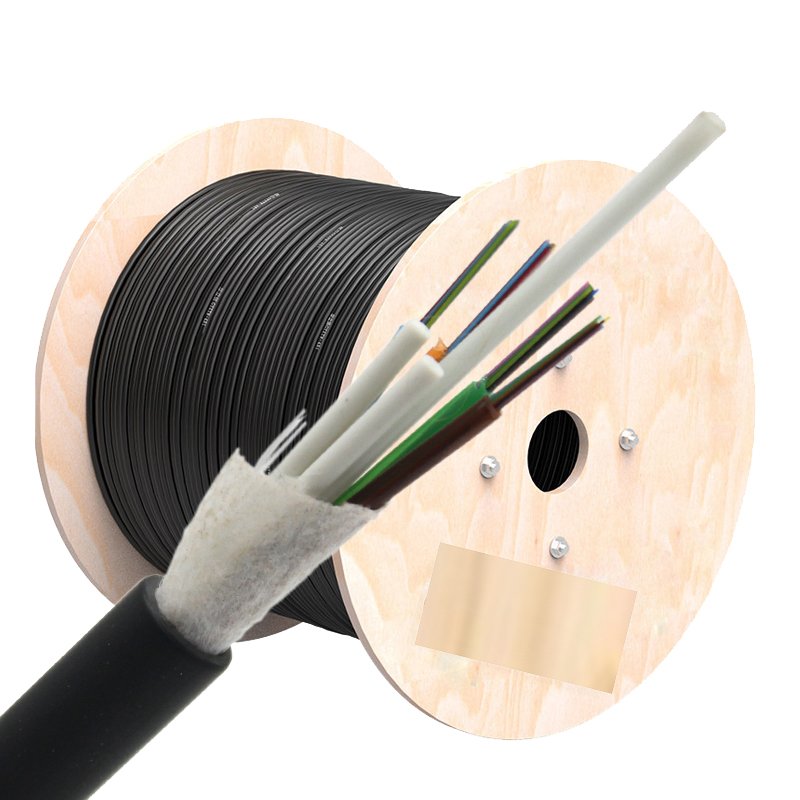

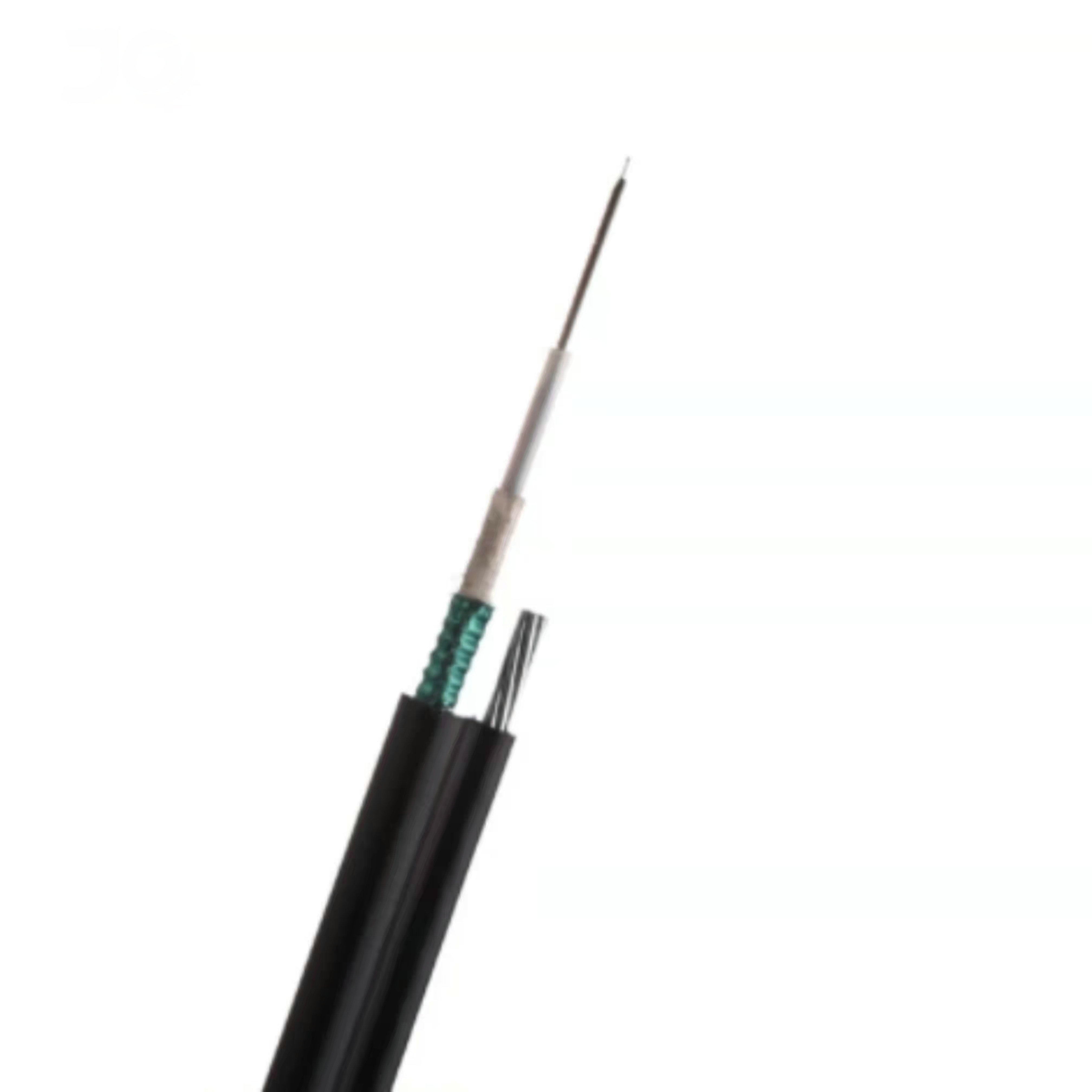
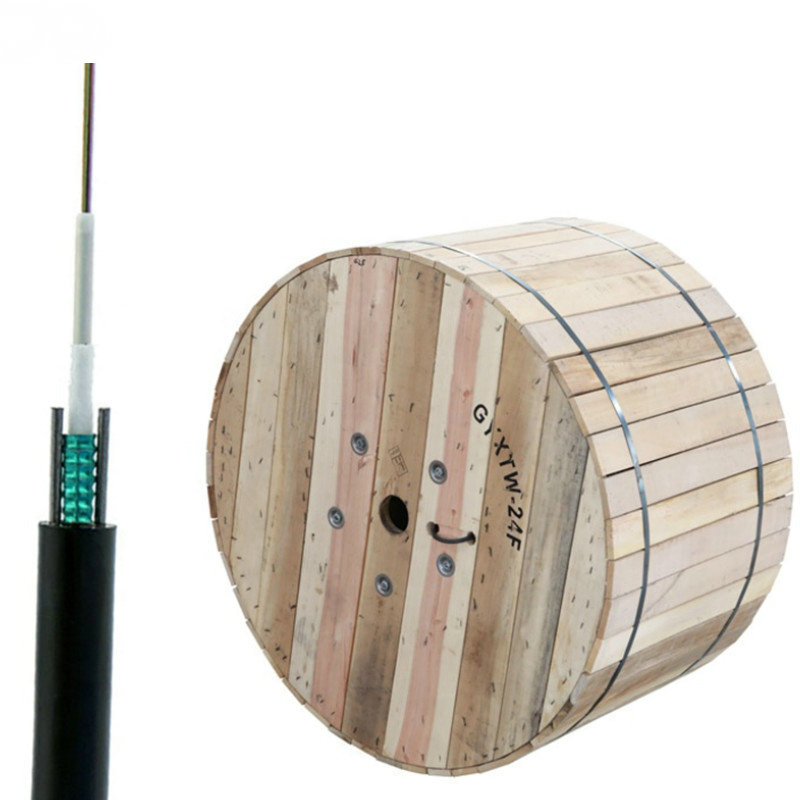
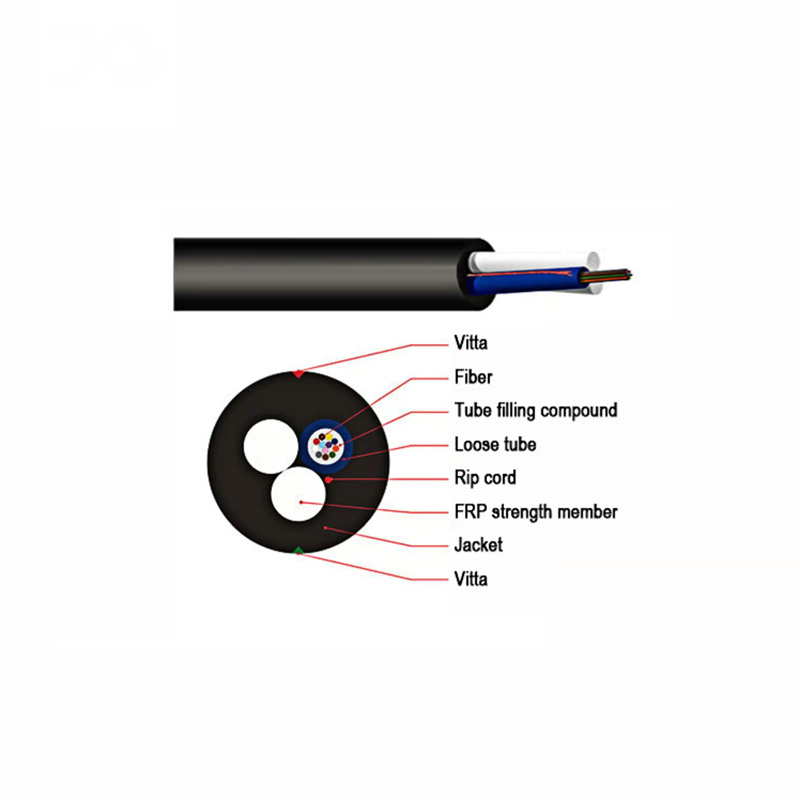
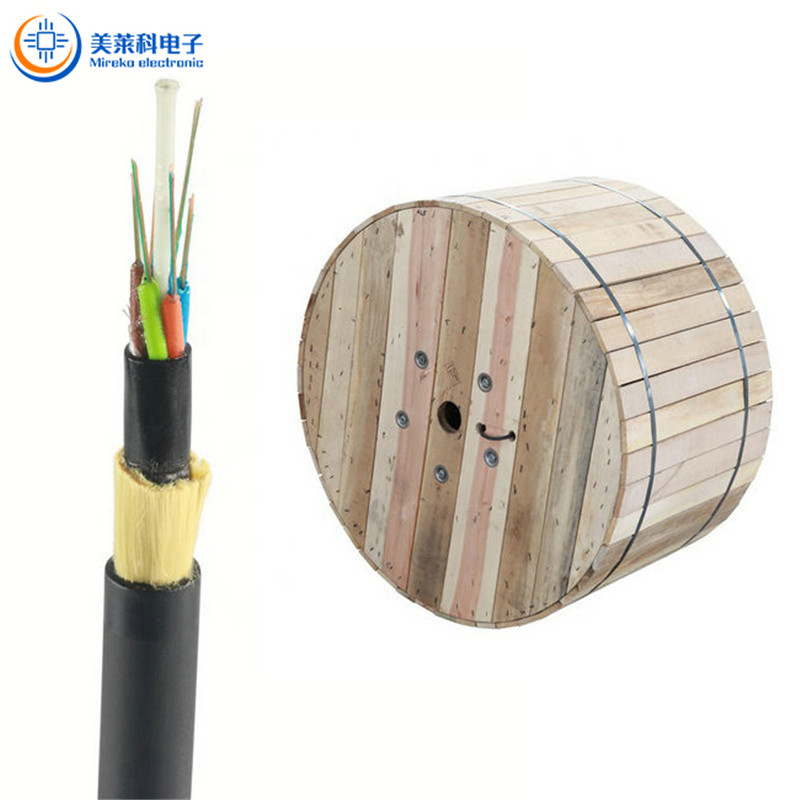
Non-Armored Fiber Optic Cable GYFTY Is The Best Now Trending
In the rapidly evolving world of telecommunications, the demand for high-performance fiber optic cables is at an all-time high. Among various options available in the market, the Non-Armored Fiber Optic Cable GYFTY has emerged as a leading choice for global purchasers seeking reliability and efficiency. This cable type, known for its lightweight and flexible design, is particularly suited for environments where rugged protection is not a primary concern. Its multi-core configuration allows for higher data transmission capabilities, making it ideal for various applications such as indoor networking and campus setups. What sets GYFTY apart is its ease of installation and maintenance, which significantly reduces operational costs for enterprises. Unlike armored versions, GYFTY cables do not require specialized tools for handling or laying, making them accessible to a wider range of technicians. Additionally, their weather-resistant properties make them perfect for outdoor applications where they might be exposed to fluctuating environmental conditions. The current trend towards digital transformation in industries globally further emphasizes the need for efficient data transfer solutions, positioning GYFTY as a top contender in fiber optic connectivity. As businesses continue to invest in infrastructure capable of supporting high-speed data demands, Non-Armored Fiber Optic Cable GYFTY stands out for its versatility and cost-effectiveness. Procurement teams looking to enhance their network capabilities should consider incorporating this innovative solution into their supply chains, ensuring they remain competitive in an increasingly interconnected world. The right choice of fiber optic cable can significantly impact overall operational efficiency, and GYFTY proves to be a forward-thinking option for today and the future.
Non-Armored Fiber Optic Cable GYFTY Is The Best Now Trending
| Specification | Detail | Application | Features | Environmental Rating |
|---|---|---|---|---|
| Fiber Count | 12 fibers | Building premises | Lightweight and flexible | Indoor use |
| Cable Type | GYFTY | Data centers | High tensile strength | RoHS compliant |
| Fiber Mode | Single-mode | Telecommunication networks | Low attenuation | LSZH material |
| Jacket Material | PVC | FRP or indoor cabling | Moisture-resistant | UV resistant |
| Operating Temperature | -20°C to +70°C | Industrial applications | Flexible installation | -30°C to +70°C rated |
Related Products
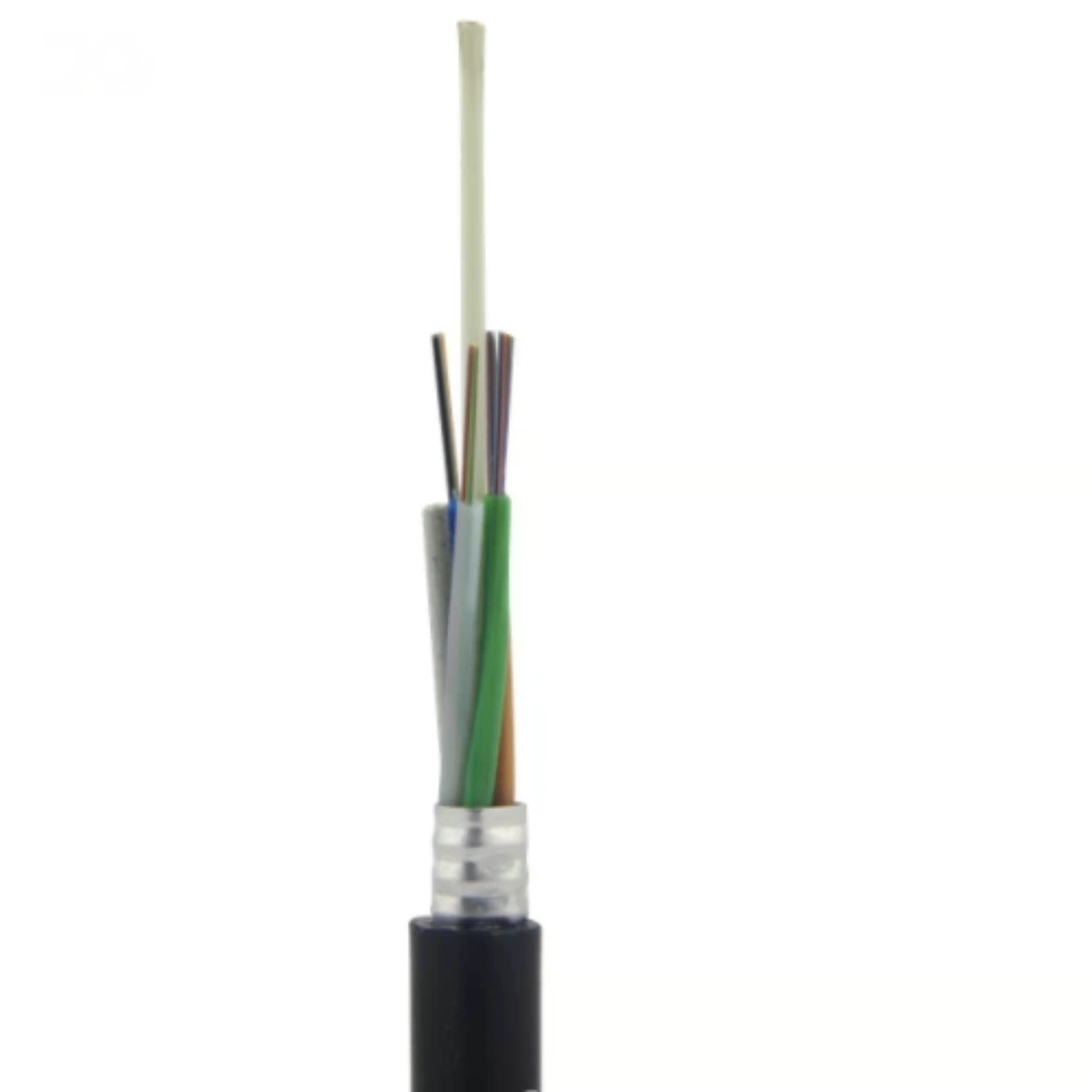
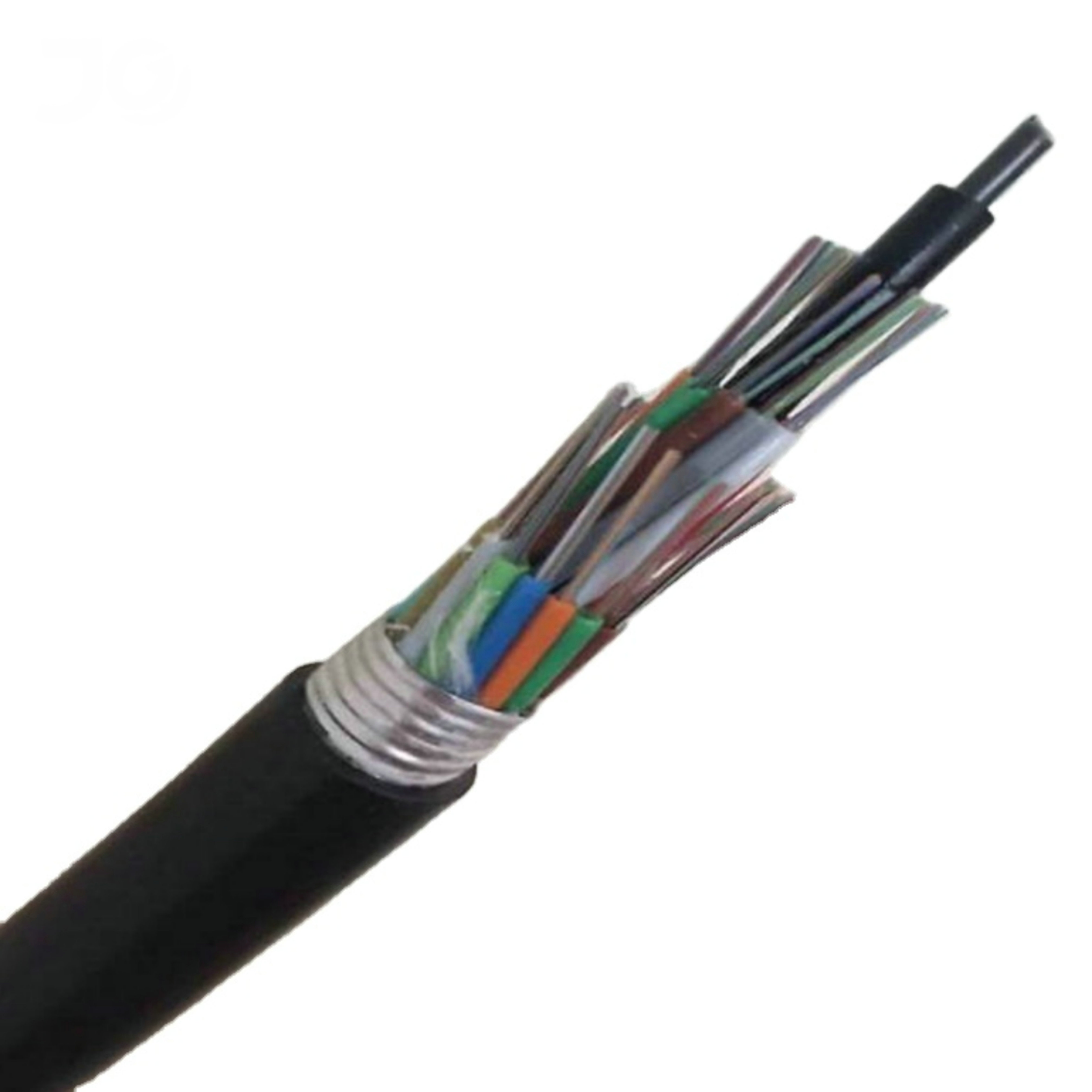

Non-Armored Fiber Optic Cable GYFTY Ahead of the Curve Service Backed by Expertise
Top Selling Products
- Related Blog
- Reviews
