
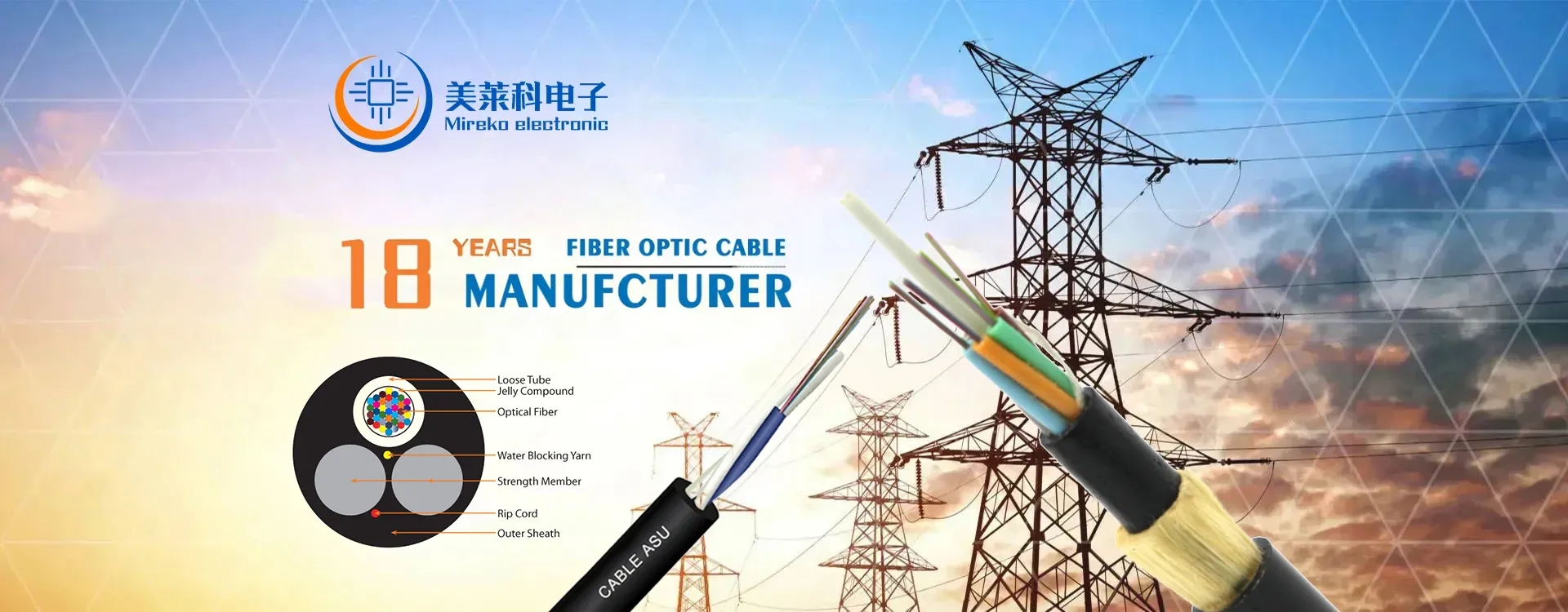
Non-Metallic Fibre Optic Cable: Trusted OEM Suppliers for Quality Solutions
As a professional in the industry, I understand the vital role that Non-Metallic Fibre Optic Cables play in today’s communication networks. These cables offer numerous advantages, such as lightweight design, easy installation, and immunity to electromagnetic interference. If you’re sourcing for reliable OEMs and trusted suppliers, you’ve come to the right place. Our Non-Metallic Fibre Optic Cables are designed not just to meet, but to exceed durability and performance standards. They are perfect for various applications, from telecommunications to data centers. I’ve seen firsthand how choosing the right supplier can impact project success, ensuring both quality and timely delivery. Collaborating with us means you can expect competitive pricing and exceptional customer service. Let’s work together to elevate your connectivity solutions and meet your business needs efficiently. Reach out today to explore how our products can add real value to your operations.
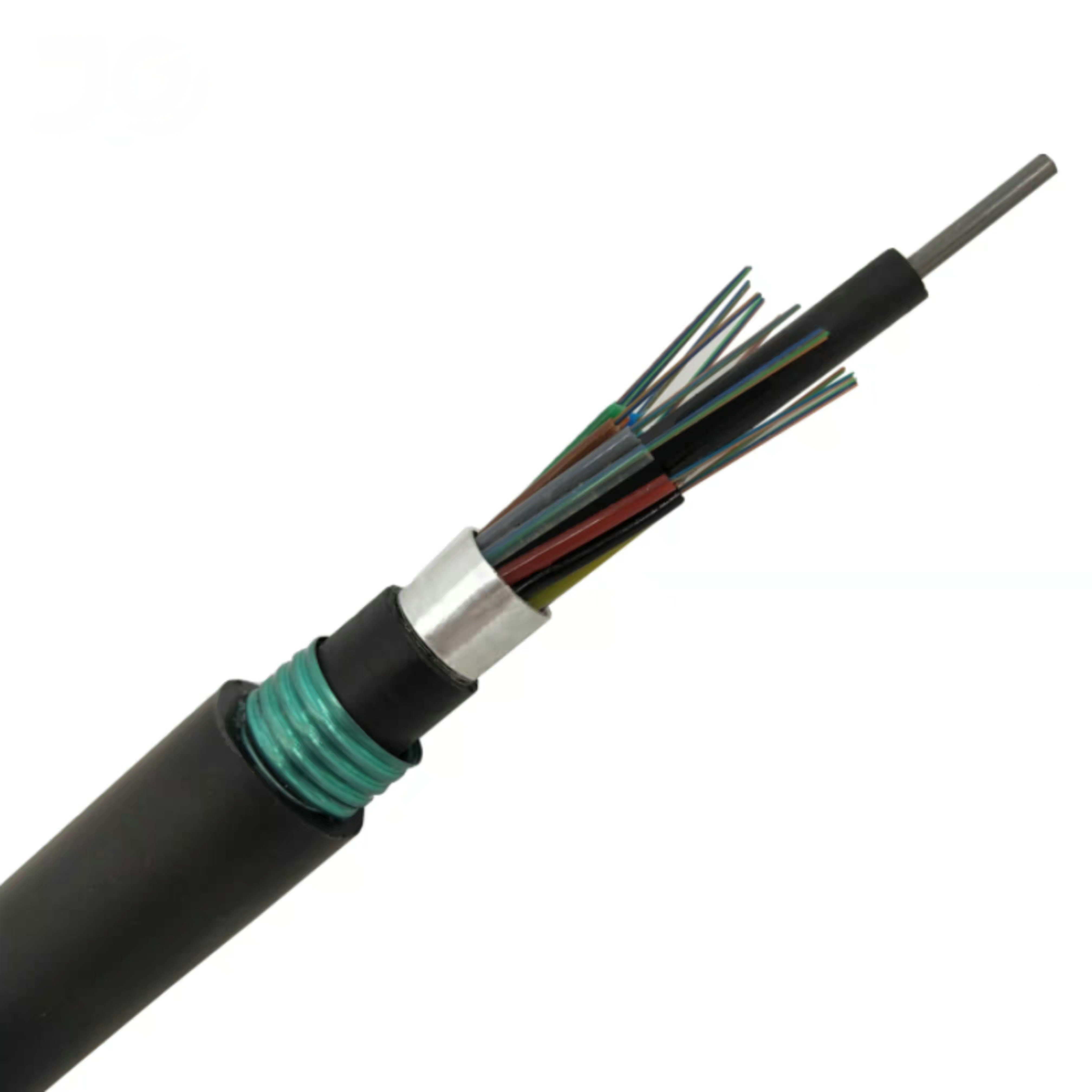

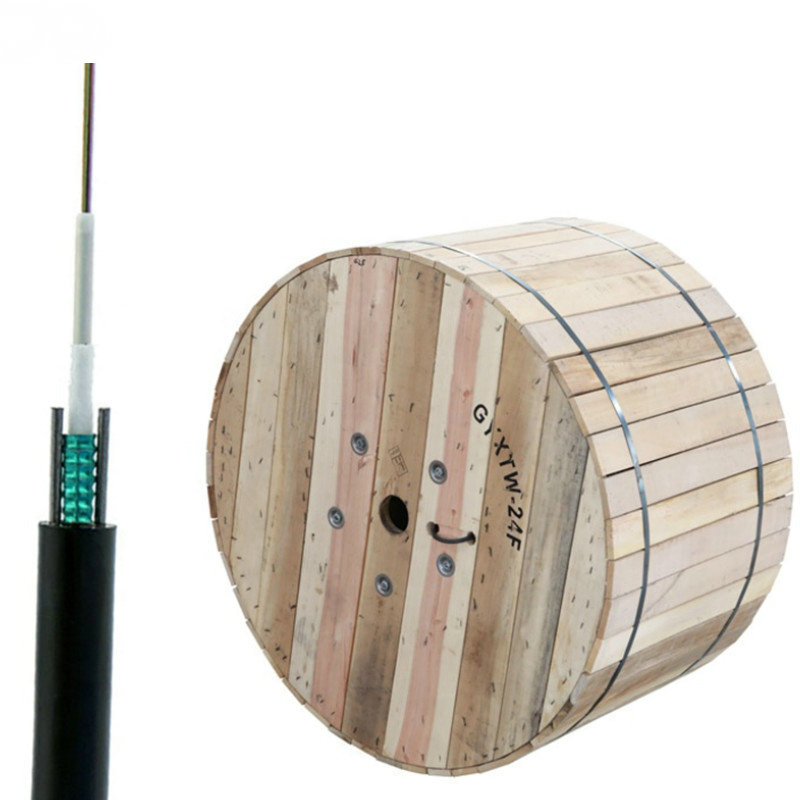
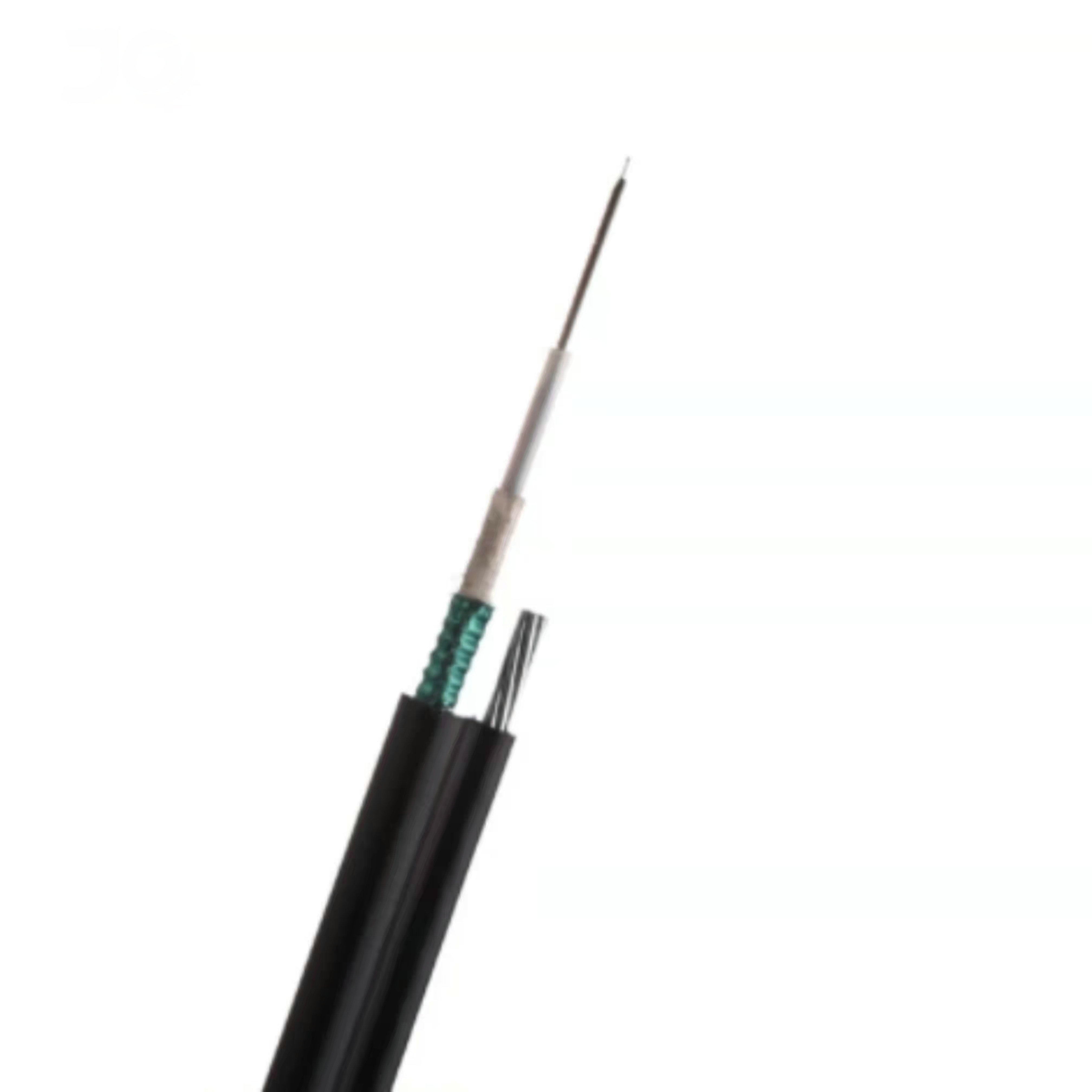
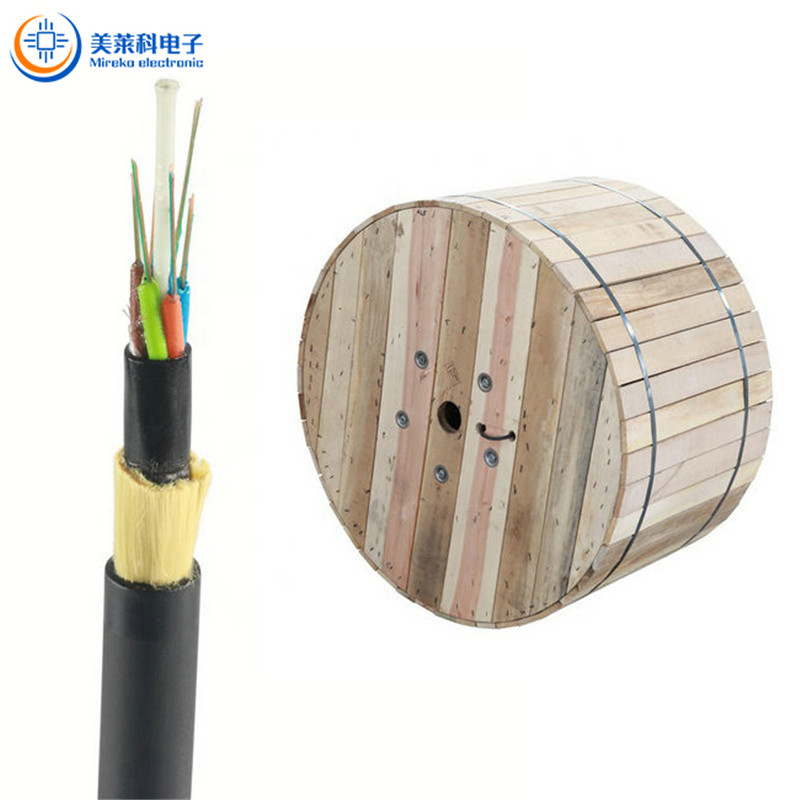
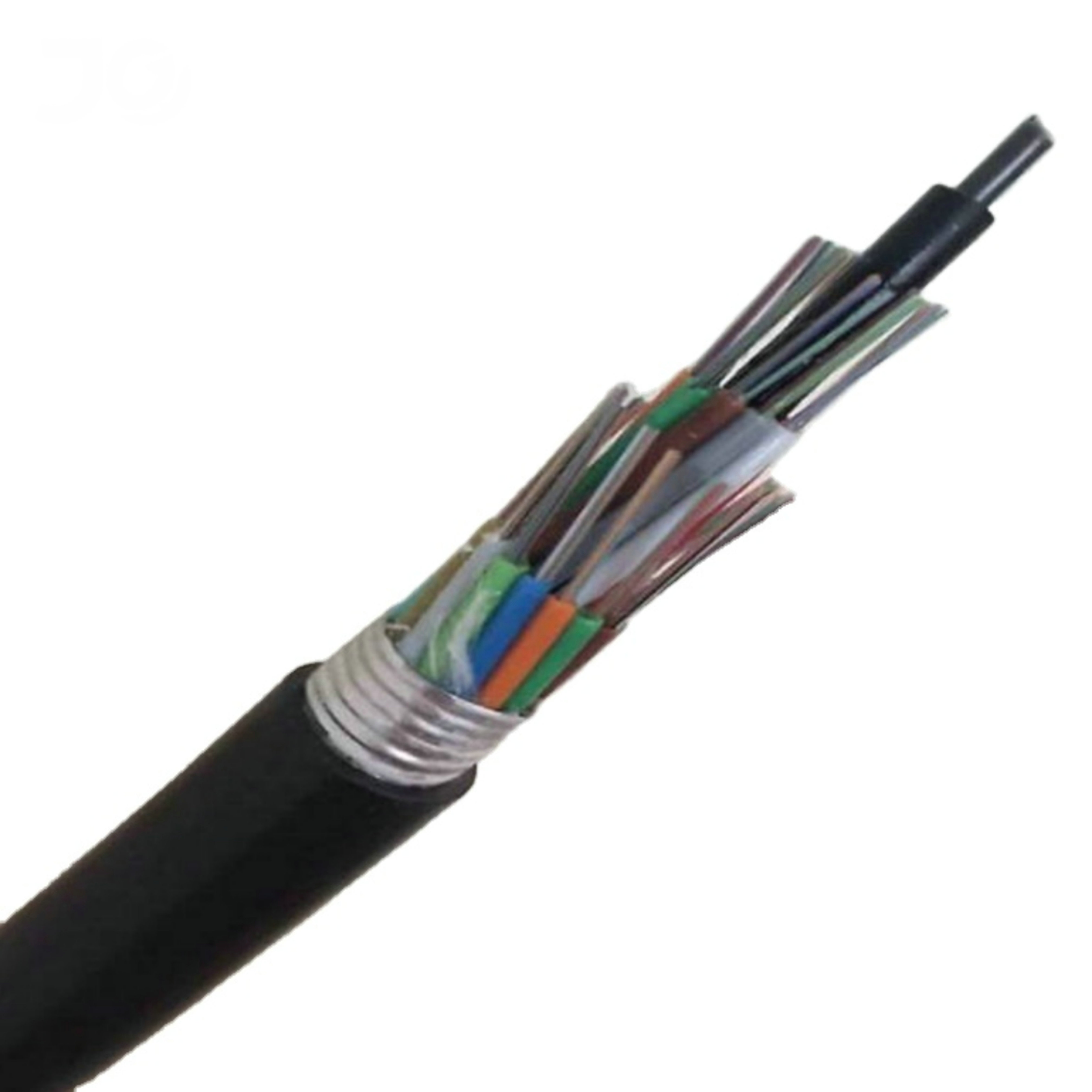
Non-Metallic Fibre Optic Cable Dominates Now Trending
In recent years, non-metallic fibre optic cables have surged to prominence in telecommunications and data transmission sectors. The advantages of these cables over traditional metal alternatives are compelling; they offer enhanced signal quality, reduced weight, and immunity to electromagnetic interference. With the growing demand for high-speed internet and expansive data networks, non-metallic options have become ideal solutions for modern applications, from industrial settings to residential networks. The rise in digitalization and the Internet of Things (IoT) fuels the need for faster and more efficient connectivity, pushing industries to adopt innovative technologies. Non-metallic fibre optic cables are crucial in this landscape, as they can withstand harsh environmental conditions, making them suitable for a variety of applications, including outdoor installations and regions with extreme weather. Furthermore, their lower installation costs and increased longevity present a strong value proposition for global buyers looking to invest in reliable communication infrastructure. As industries evolve, the push towards sustainability also elevates the appeal of non-metallic solutions. These cables can be manufactured with environmentally friendly materials, aligning with global initiatives aimed at reducing carbon footprints. For procurement managers and decision-makers, embracing non-metallic fibre optic technology not only meets current connectivity demands but also supports a greener future for telecommunications and data transfer, making it a wise investment for the years to come.
Non-Metallic Fibre Optic Cable Data Table
| Cable Type | Core Material | Application | Max Bandwidth | Length |
|---|---|---|---|---|
| Loose Tube | Plastic | Telecommunications | 10 Gbps | 2 km |
| Armored | Plastic | Network Infrastructure | 1 Gbps | 500 m |
| Tight Buffered | Plastic | Data Centers | 40 Gbps | 300 m |
| Distribution | Plastic | Broadband | 100 Gbps | 1 km |
Related Products
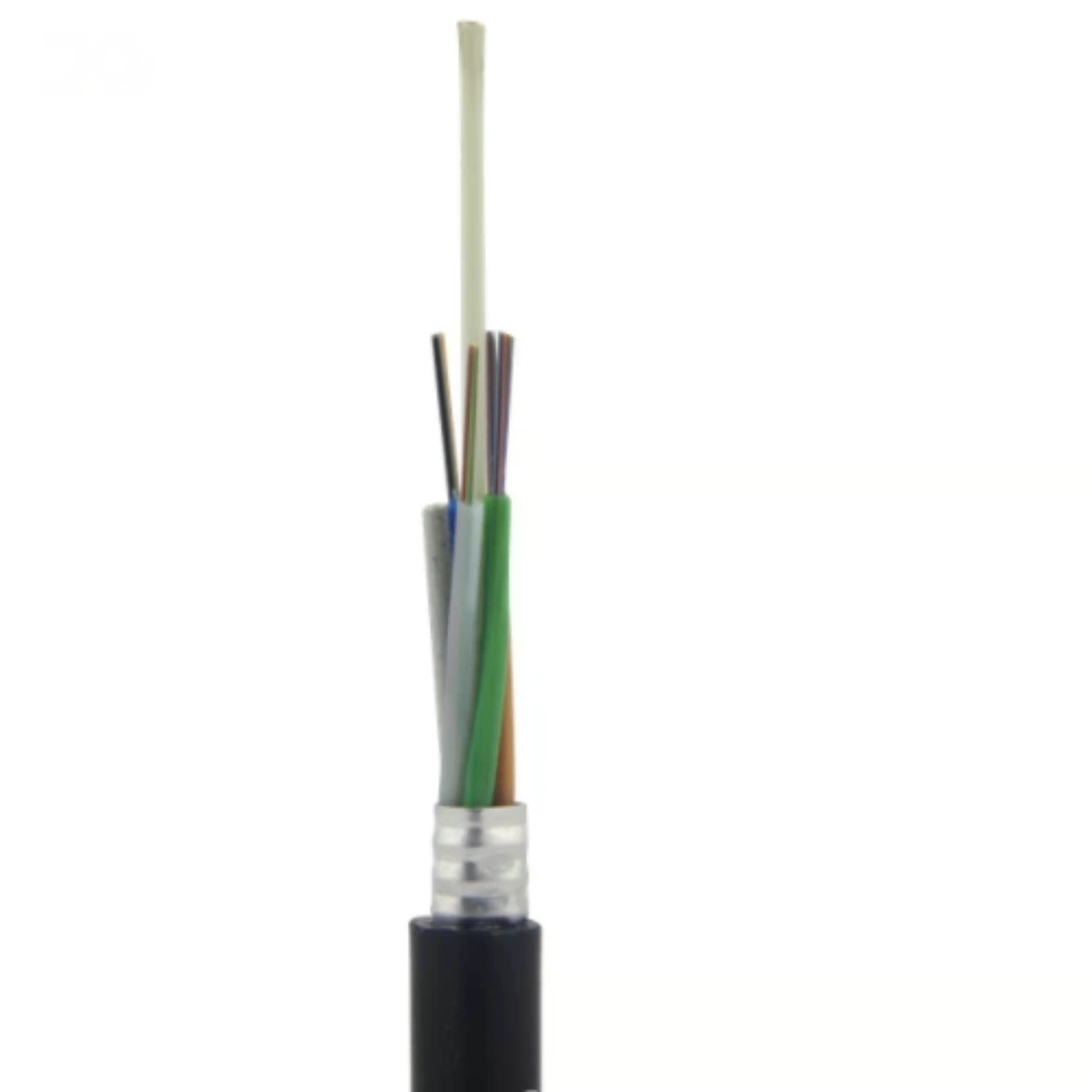
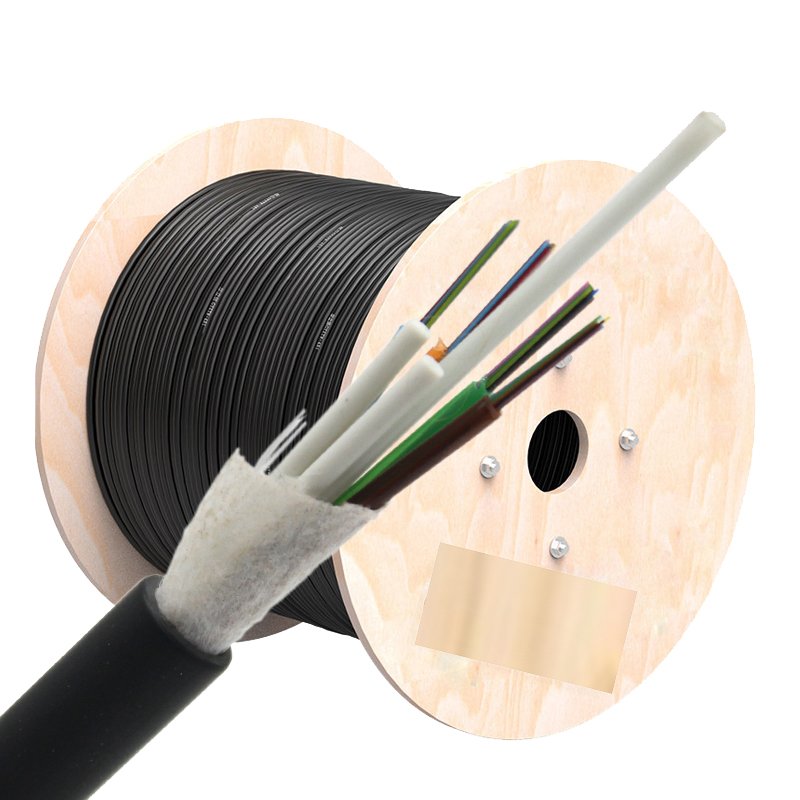

Non-Metallic Fibre Optic Cable Where Innovation Meets 2025 Your End-to-End Solution
Top Selling Products
- Related Blog
- Reviews
