
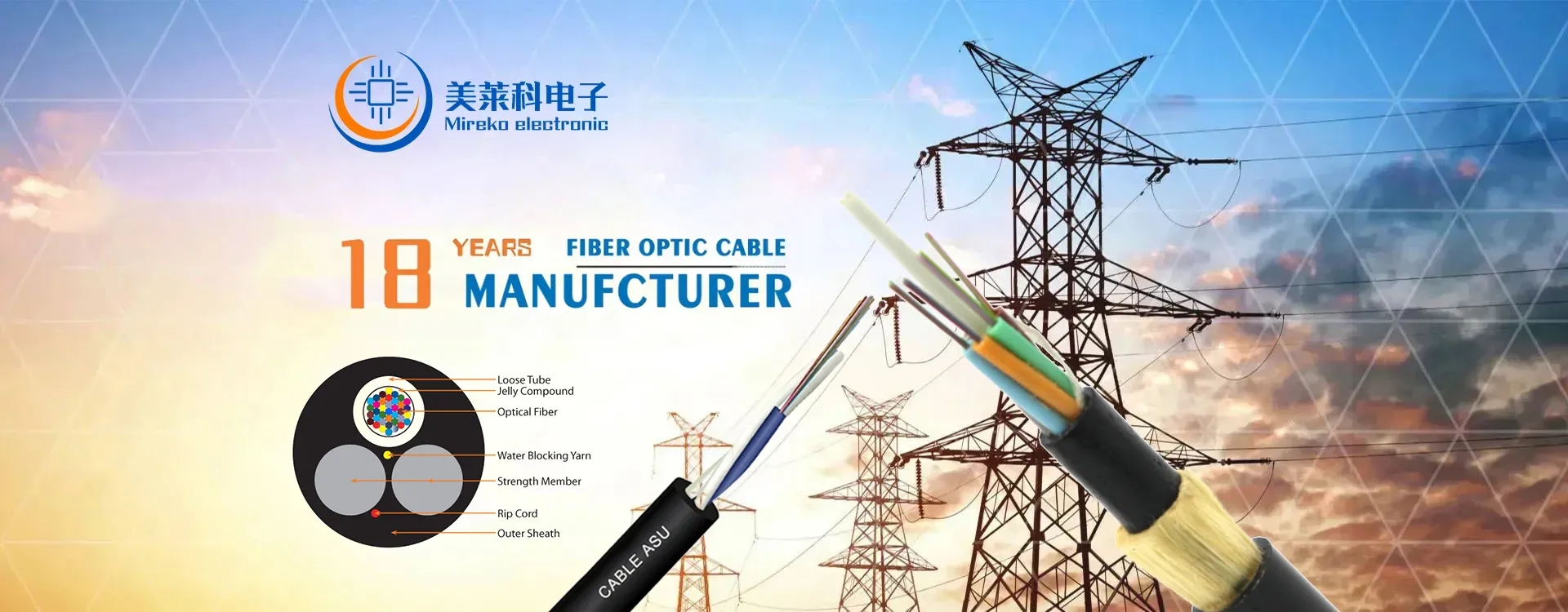
Top Indoor Fiber Optic Cable Types from Leading China Manufacturers
As a buyer in search of high-quality Indoor Fiber Optic Cable Types, I find it crucial to understand the different options available. Our range caters to diverse needs, whether it's for data centers or office networks. Each type is designed to optimize performance and ensure reliability, which is what I always prioritize. Working with a trusted China Manufacturer, I appreciate knowing that the products are not just affordable but also adhere to international standards of quality. The cables are flexible enough to suit various installations, yet durable to withstand the demands of indoor environments. Choosing the right type of fiber optic cable can significantly impact my project’s success, and that’s why I value these exceptional options. Plus, the simple installation processes mean less downtime and quicker deployment, which is exactly what I want in my operations. Let’s make the right choice together for better connectivity!
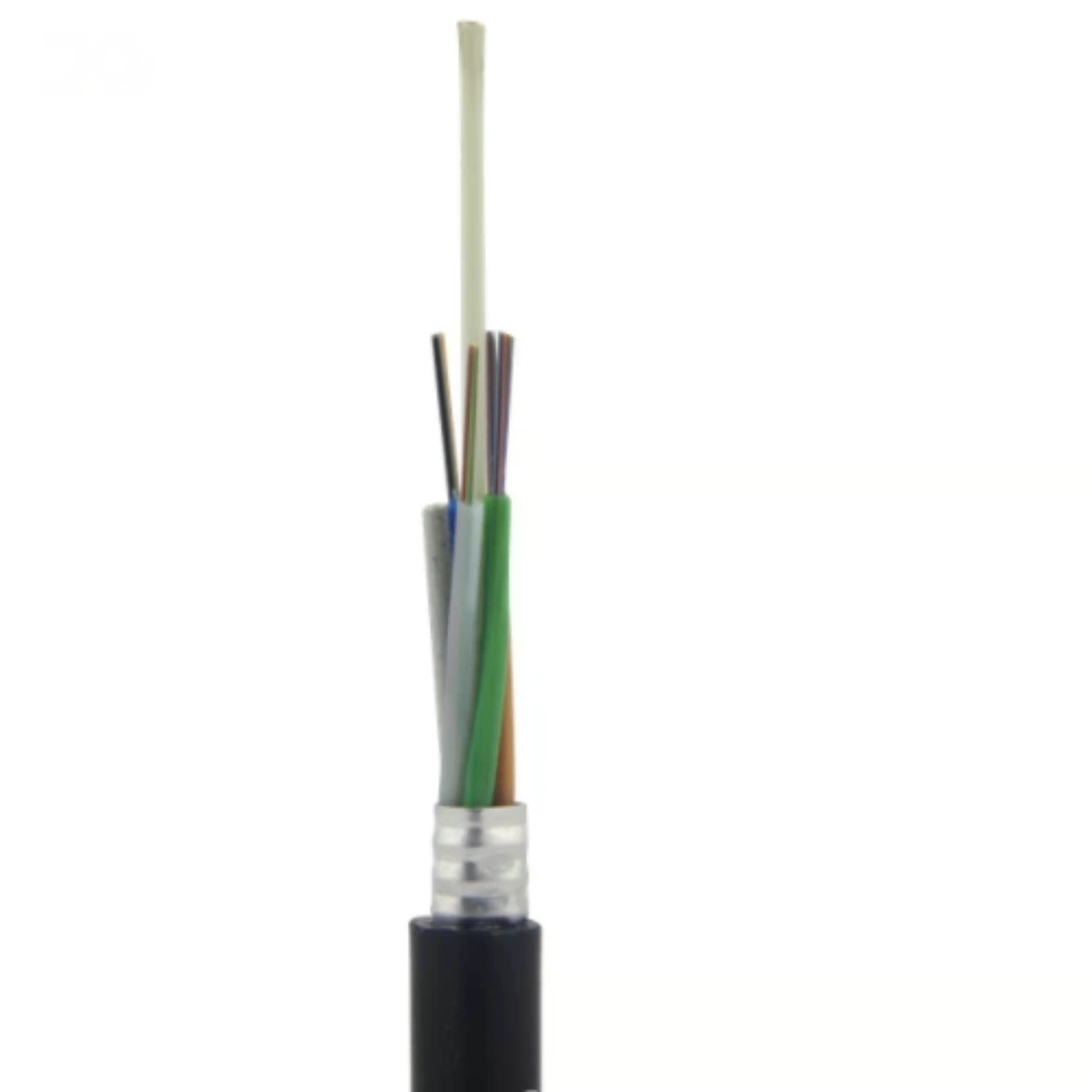
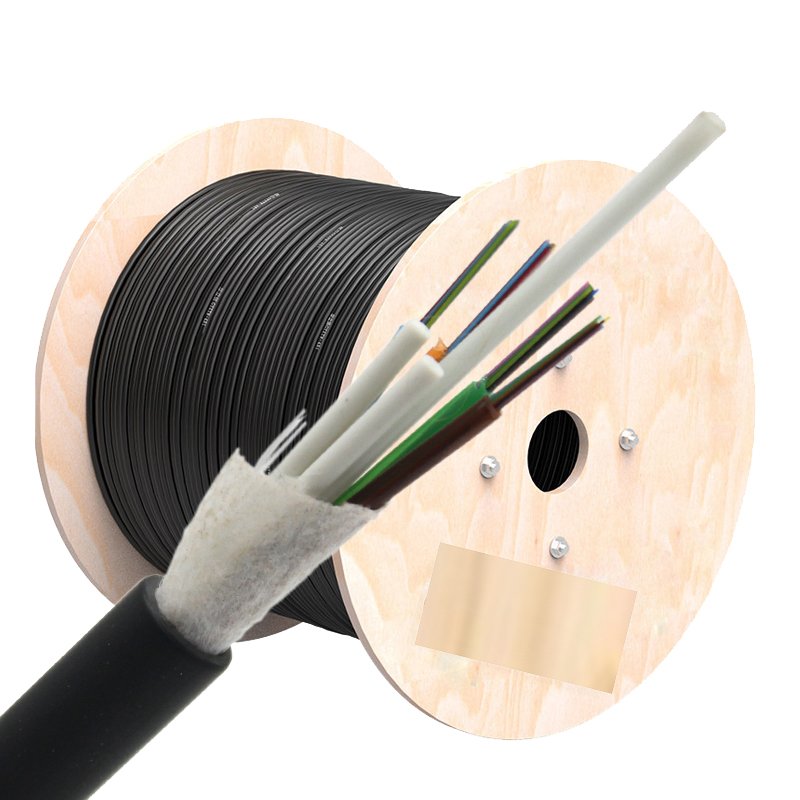
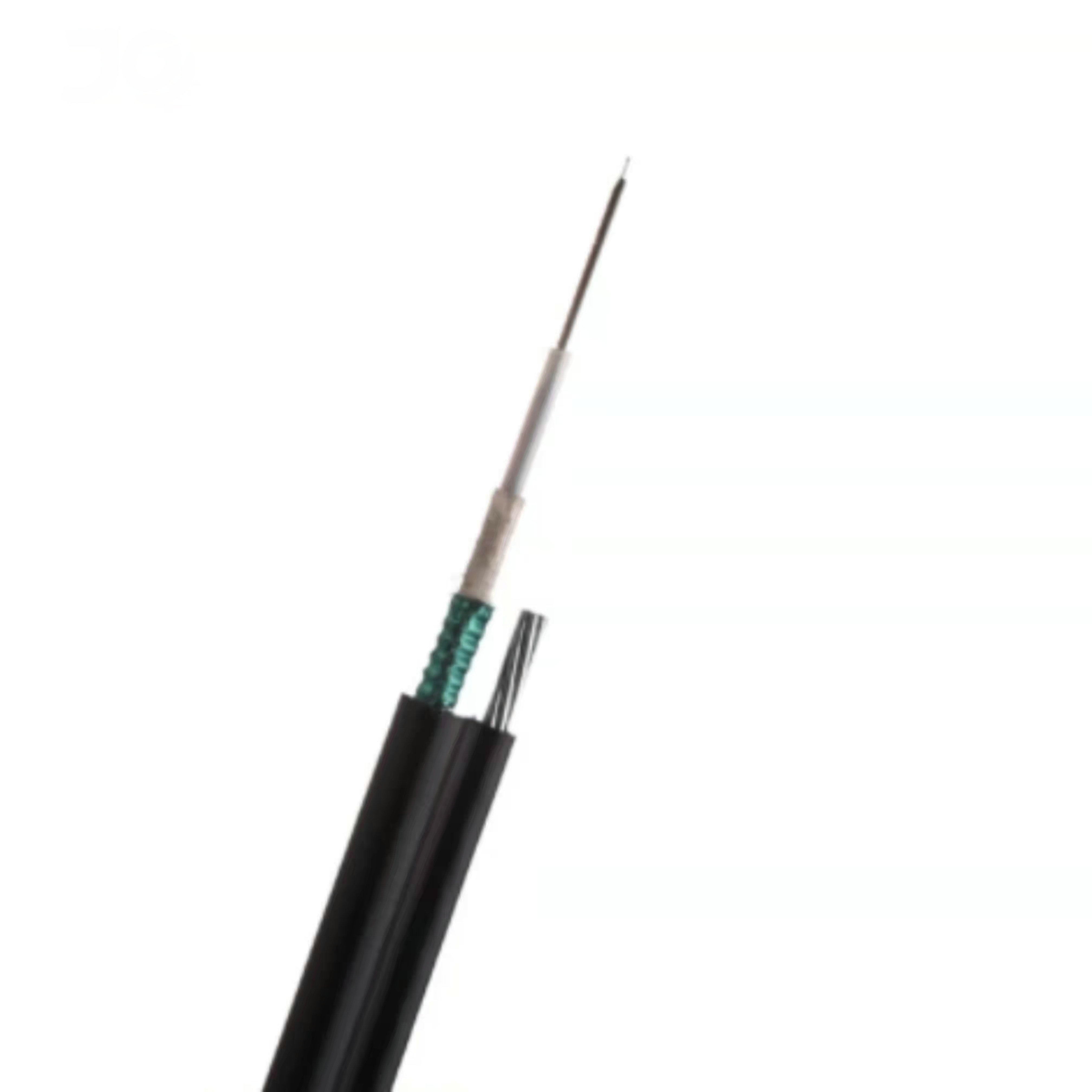
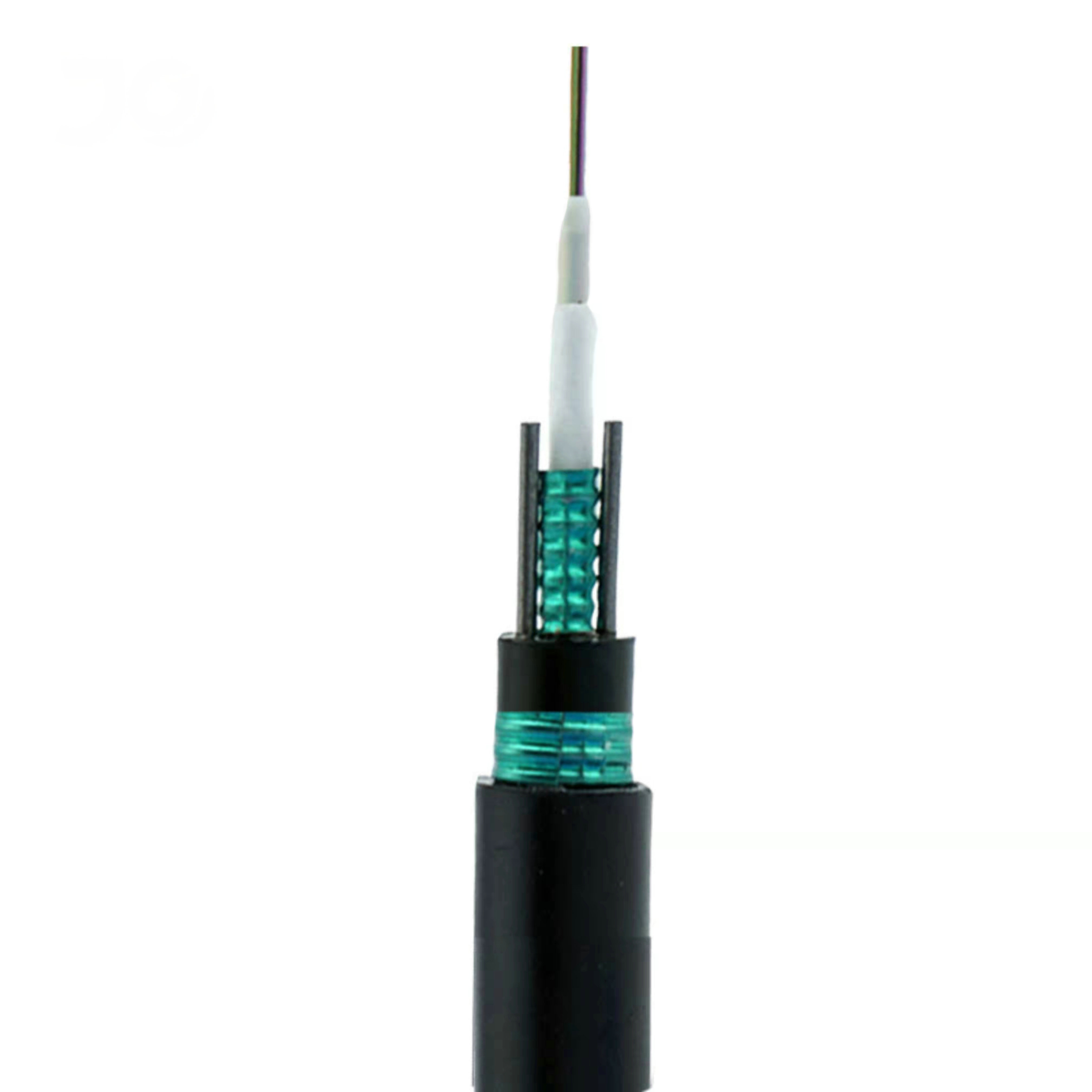
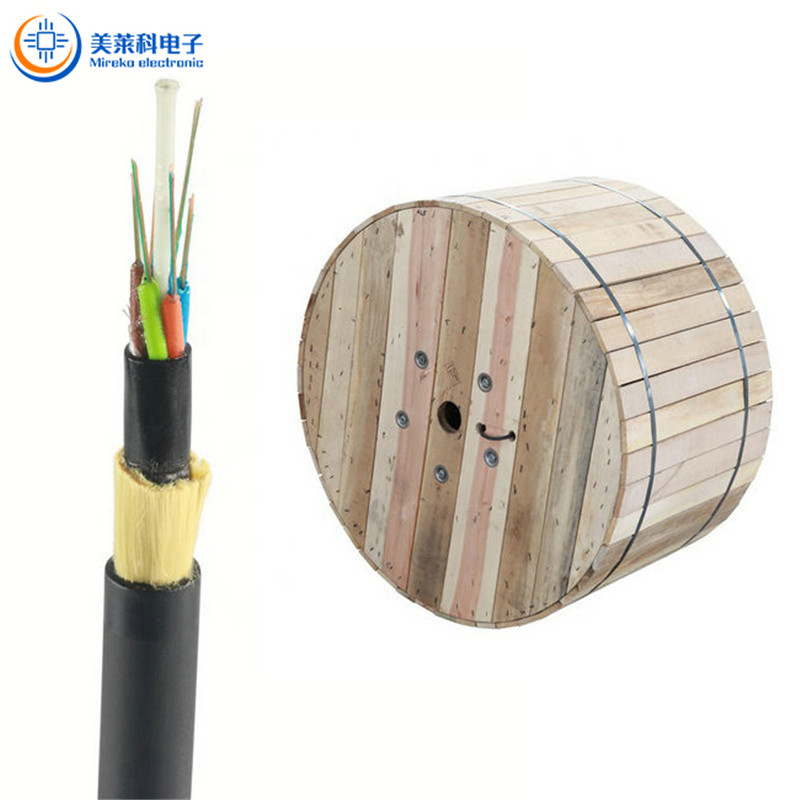
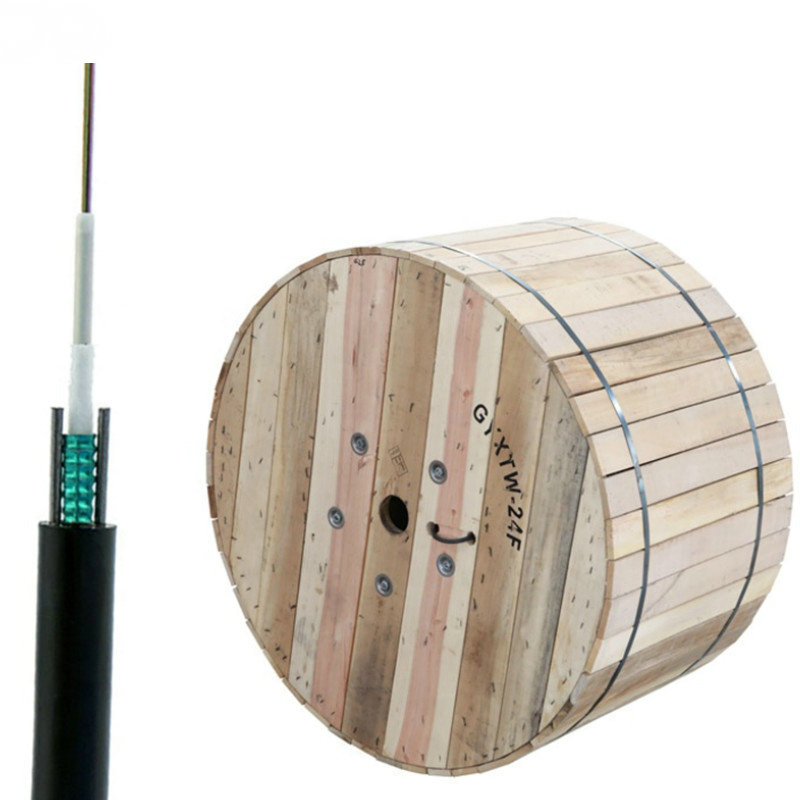
Indoor Fiber Optic Cable Types Ahead of the Curve Guarantees Peak Performance
In the ever-evolving landscape of telecommunications, the importance of selecting the right indoor fiber optic cable cannot be overstated. With advancements in technology, various types of fiber optic cables have emerged, each designed to enhance connectivity, speed, and overall performance. Understanding these options is crucial for global buyers seeking to ensure optimal infrastructure for their projects. Among the leading choices are tight-buffered cables, loose-tube cables, and armored cables, each serving distinct applications and environments. Tight-buffered cables, known for their compact design, are ideal for indoor installations where space is a premium. They offer excellent flexibility and are easy to handle, making them perfect for office networks and data centers. On the other hand, loose-tube cables are designed for environments where thermal fluctuations may occur, providing superior protection against harsh conditions. This makes them suitable for larger installations that may run between indoor and outdoor environments. Additionally, armored cables provide an extra layer of protection, making them resilient against physical damage and an excellent choice for high-demand settings. Selecting the right type of fiber optic cable ensures peak performance, high-speed data transfer, and reliable connectivity. As the demand for faster and more dependable communication solutions continues to rise, understanding the unique benefits of each cable type enables global buyers to make informed decisions, ultimately leading to successful implementation of their telecommunication projects. With the right indoor fiber optic cable, organizations can stay ahead of the curve and fully leverage the potential of modern connectivity.
Indoor Fiber Optic Cable Types Ahead of the Curve Guarantees Peak Performance
| Cable Type | Fiber Count | Diameter (mm) | Maximum Bandwidth (GHz-km) | Application |
|---|---|---|---|---|
| OM3 Multimode | 8-144 | 2.0 | 2000 | Data Centers |
| OM4 Multimode | 8-144 | 2.0 | 4700 | High Speed LAN |
| OM5 Multimode | 12-144 | 2.0 | 10000 | Multi-Wavelength Systems |
| OS2 Singlemode | 1-144 | 2.0 | 10000+ | Telecom & Long Distance |
| OS1 Singlemode | 1-144 | 2.0 | 1000 | Campus Networks |
Related Products
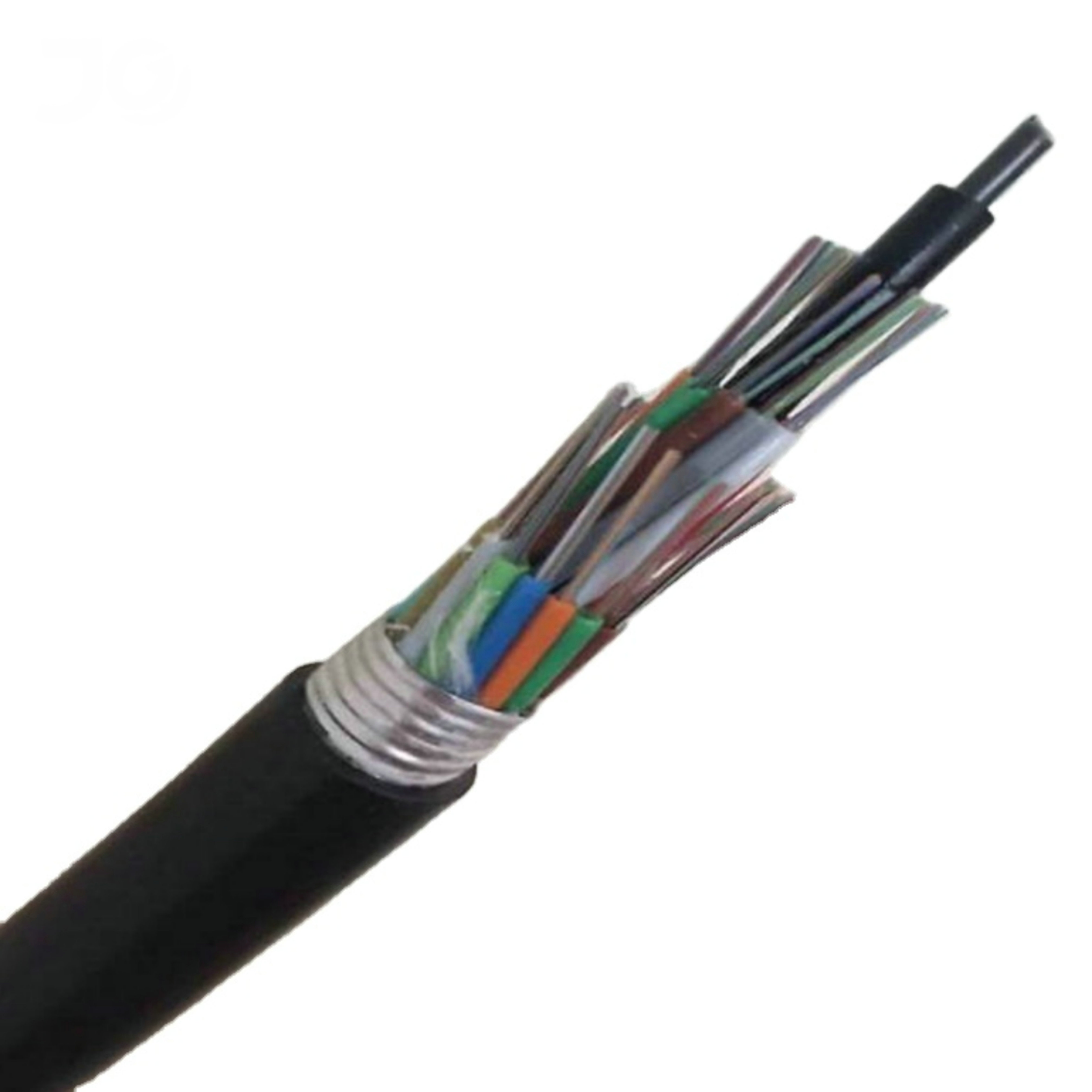


Indoor Fiber Optic Cable Types Stands Out Industry Leaders
Top Selling Products
- Related Blog
- Reviews
