
Difference Between OM4 and OM3 Fiber: Insights from China Manufacturers
Are you confused about the difference between OM4 and OM3 fibers? As a professional, I understand that making the right choice is crucial for your business needs, especially if you’re sourcing from a reliable manufacturer in China. OM4 fiber offers a greater bandwidth and is well-suited for high-speed applications, while OM3 is ideal for most standard uses. Knowing these differences can help you optimize your network’s performance. When selecting the right fiber, consider factors like transmission distance and future scalability. Partnering with a trusted Chinese manufacturer ensures you get high-quality products at competitive prices. Let’s simplify your procurement process by choosing the right fiber optic cables that align with your project goals. Each option has distinct benefits tailored for various applications, so feel free to reach out if you have any questions or need further assistance!

Difference Between Om4 And Om3 Stands Out Industry Giant
When exploring the optical fiber market, understanding the differences between OM4 and OM3 multimode fibers is crucial for making informed purchasing decisions. Both types of fibers serve significant roles in high-speed data transmission, but they cater to different needs and applications. OM3 fiber is designed for short-range applications, typically supporting transmission distances of up to 300 meters at 10 Gb/s. It utilizes laser-optimized technology to facilitate efficient data transfer for data centers and local area networks. On the other hand, OM4 fiber offers enhanced performance, enabling distances up to 400 meters at 10 Gb/s and up to 150 meters at 40 Gb/s. This capability makes OM4 a more suitable choice for modern enterprises looking to future-proof their networks as data requirements continue to grow. For global purchasers, the choice between OM4 and OM3 hinges on future scalability, current infrastructure, and budget considerations. While OM3 may serve well for current needs, investing in OM4 could ensure longer-term compatibility with evolving technology standards, ultimately providing a more robust and reliable network infrastructure. Understanding these distinctions empowers buyers to optimize their investments for a fast-changing digital landscape.
Difference Between OM4 And OM3 Stands Out Industry Giant
| Parameter | OM3 | OM4 |
|---|---|---|
| Core Diameter | 50 µm | 50 µm |
| Maximum Bandwidth | 2000 MHz·km | 4700 MHz·km |
| Distance (10 Gbps) | 300 m | 400 m |
| Distance (40 Gbps) | 150 m | 150 m |
| Distance (100 Gbps) | 100 m | 150 m |
| Fiber Type | Multimode | Multimode |
| Effective Modal Bandwidth | Reduced | Enhanced |
Related Products

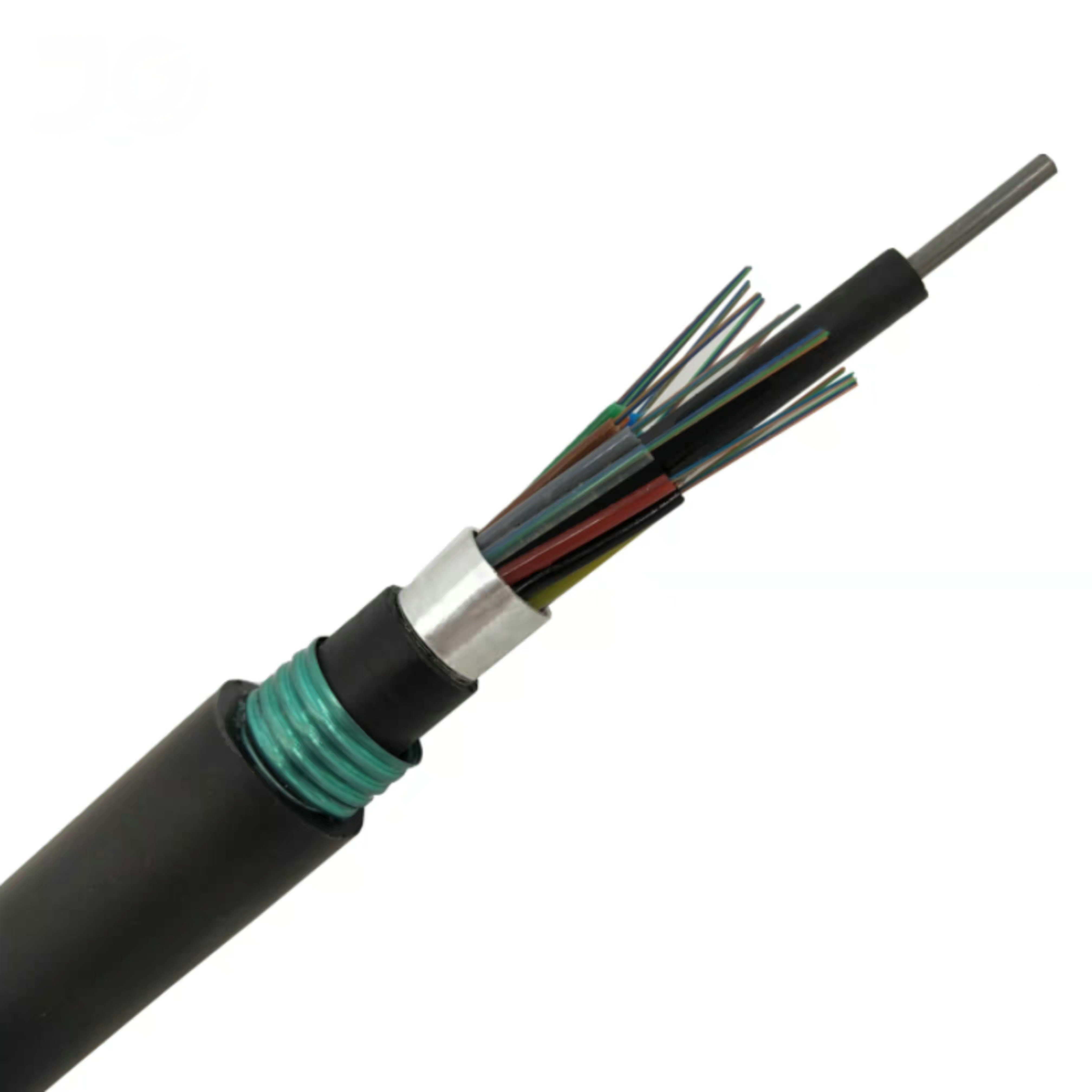
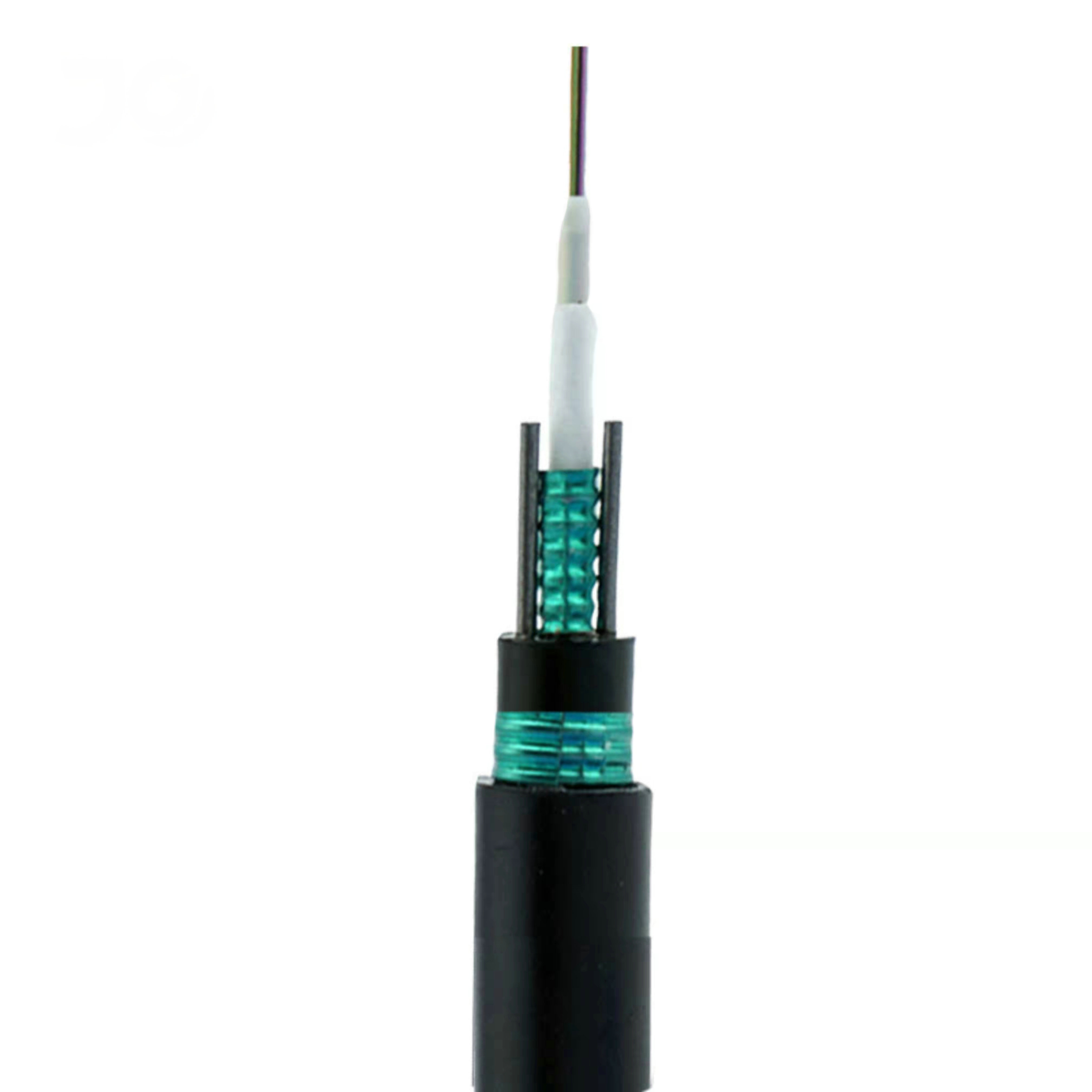
Difference Between Om4 And Om3 Leads the Global Market Manufacturers You Can Rely On
Top Selling Products
- Related Blog
- Reviews
